

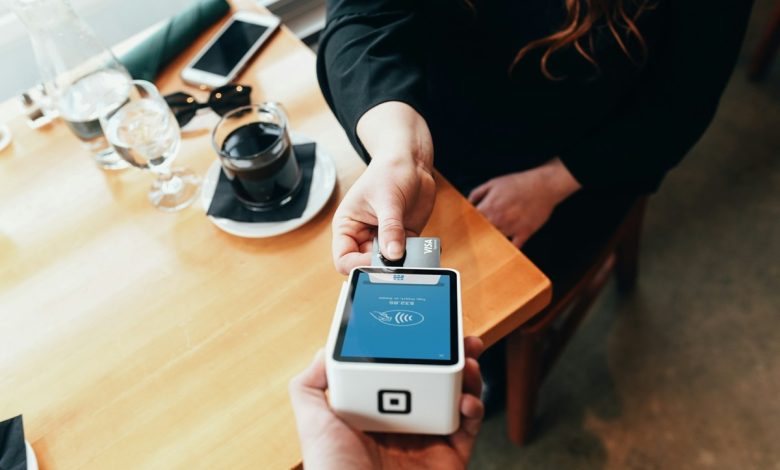
Cash is disappearing from our daily lives at a remarkable pace. In China, the money in circulation in the form of cash has dropped to 3.7% and continues to fall, and over 84% of people in China use mobile wallets. As of 2024, an estimated 86.9% of all transactions in the U.S. are cashless. Across Southeast Asia, e-wallet adoption is also skyrocketing, with governments and businesses alike pushing for digital-first economies. The message seems clear: physical money is becoming obsolete. But is it true that we will no longer need cash in the future? In this article, we will explore why cash usage is decreasing and why it matters for your personal finances.
Why cash is disappearing
The shift away from cash is happening faster than most people realise. More and more people now carry a card wallet. But beyond the headline numbers, what’s truly driving this change?
It is believed that convenience tops the list, as QR codes and digital wallets have made paying as effortless as unlocking your phone. No fumbling for exact change, especially coins, and no waiting for the cashier to count the bills. The COVID-19 pandemic has accelerated this adoption. Remember, at the time, when suddenly all people feared touching cash, scared it would transmit the virus, so both businesses and customers quickly switched to contactless options almost overnight.
For businesses, the case for going digital is compelling as well. Faster checkouts mean shorter queues, automatic transaction records that streamline bookkeeping, and less worry about theft on the premises or the costs of handling physical cash. When you add infrastructure improvements that we already have, better internet connectivity, high smartphone adoption, and government incentives, the momentum is unstoppable.
The upsides
From a personal finance perspective, going cashless offers some real advantages:
- Automatic expense tracking: Every transaction will automatically create a digital record, making budgeting effortless without keeping receipts or wondering where your money went.
- Safer: Losing your wallet is less catastrophic when you can instantly freeze cards and accounts from your phone if anything happens, and also far less risk of theft.
- Rewards and perks: Cashback programs, loyalty points, promotional discounts and sometimes higher interest rates of savings accounts that simply don’t exist with cash.
- Speed and convenience: No more fumbling for exact change or waiting for merchants to count bills; transactions happen in seconds.
The downsides
But this cashless revolution is not without some drawbacks:
- Overspending trap: Digital payments feel less real than handing over physical cash, as tapping a card or scanning QR has less psychological friction. This makes it dangerously easy to overspend without the psychological brake of seeing your wallet empty.
- Cybersecurity risks: Phishing, account takeovers, data breaches, and fake payment links can directly hit your balances. Weak passwords, reused PINs, and low awareness will all amplify the risk.
- Dependence on technology infrastructure: If systems go down (due to outages, cyberattacks, or poor connectivity) or your phone gets lost or battery-dead, you may not be able to complete the purchases.
- Loss of privacy: Since every transaction leaves a trail, each can be profiled by banks, platforms, or even governments. This trail can create a detailed map of your spending habits, locations, and lifestyle choices that companies and institutions can access. These data are entrusted to institutions to guard, which are also vulnerable to being hacked.
Why cash will survive
Despite the digital momentum, cash is not going to disappear entirely. According to 2024 data, Americans still make an average of seven cash payments per month, a number that has remained stable since 2020, and 70% of cash payments are for amounts below $25. This shows that physical money just works in certain situations.
Small transactions are the perfect example, such as in small shops, street vendors, or tips for service workers (more common in Western countries). These everyday interactions often depend on cash because digital infrastructure is not always available or cost-effective for this kind of micro-payment. Physical cash is also used as a backup form of payment or in emergencies.
Demographics also tell an important story. Adults 55 and older and households with earnings under $25,000 per year rely more on cash than other groups. Elderly populations always prefer the tangibility and simplicity of cash. Cultural practices such as giving red packets during Chinese New Year or handing out cash gifts at weddings still rely heavily on physical cash. And let’s be honest, when the internet goes down or payment systems crash (as they occasionally do), having cash in your wallet just gives you a sense of safety.
The fifth perspective
In my opinion, the future is not about choosing between cash and digital; it is about having both. We should embrace digital payments for their convenience and benefits while keeping some cash accessible for emergencies, small purchases and situations where technology fails or just won’t work. Keeping at least a few hundred dollars in cash at home is always recommended in case of any emergencies. I believe the goal isn’t a cashless society; it should be a society with payment options that work for everyone in every situation. Your wallet might be getting slimmer, but it won’t and shouldn’t be empty.




I felt the downsides of using mobile payment or cashless methods when the bank infrastructure goes under “maintenance” out of the blue.
Hi Din,
That is very true, totally agree with you. That is why I still carry some cash, just in case.
I doubt cash will totally disappear from our daily lives. There are still many businesses that accept cash only. Recently in my Japan trip, I thought such an advance country will totally be cashless but I was wrong. With the exception of 7 Eleven, many food stalls and supermarket only accept cash. Luckily I can withdraw cash from the 7 Eleven ATM using my Youtrip card.
Hi,
Very true! I recently had a trip to Japan as well and observed the exact same scenario. Japan is a great example that being a ‘developed’ nation doesn’t automatically mean going 100% cashless. Their cultural habits and some small merchant preferences (especially those food stalls) still play a huge role in keeping cash alive there.