
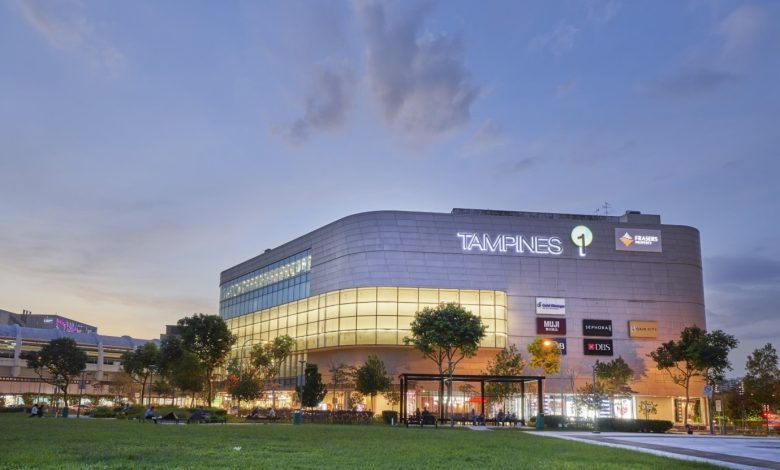
Listed on the SGX since 2006, Frasers Centrepoint Trust (FCT) is a leading Singapore-based real estate investment trust focused on prime suburban retail malls. FCT currently owns and manages nine quality suburban malls with assets under management of S$8.3 billion. Its portfolio caters to over three million residents within a 3km catchment of its malls, allowing FCT to serve more than half of Singapore’s population and cementing its position as a leader in the suburban mall space. The REIT is also the largest landlord of suburban malls in Singapore, owning four of the 10 largest suburban malls in the country, including NEX, Northpoint City, Causeway Point, and Waterway Point.
I was interested to learn about the future developments of FCT’s strategy and plan ahead and here are 10 things I learned from the 2026 Frasers Centrepoint Trust AGM.
1. FCT’s gross revenue for FY25 increased by 10.8% year-on-year to S$389.6 million, while net property income rose 9.7% year-on-year to S$278.0 million. This was driven by contributions from Northpoint City South Wing following its acquisition in May 2025, as well as from the completed AEI at Tampines 1.
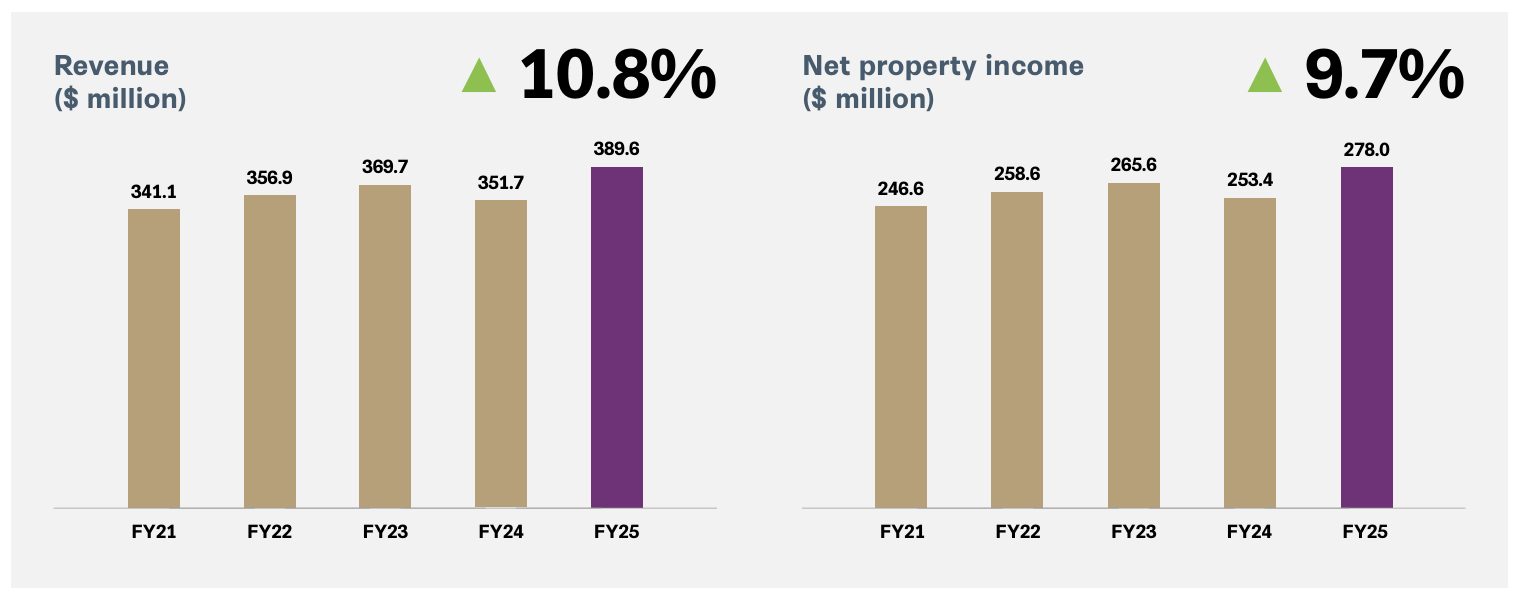
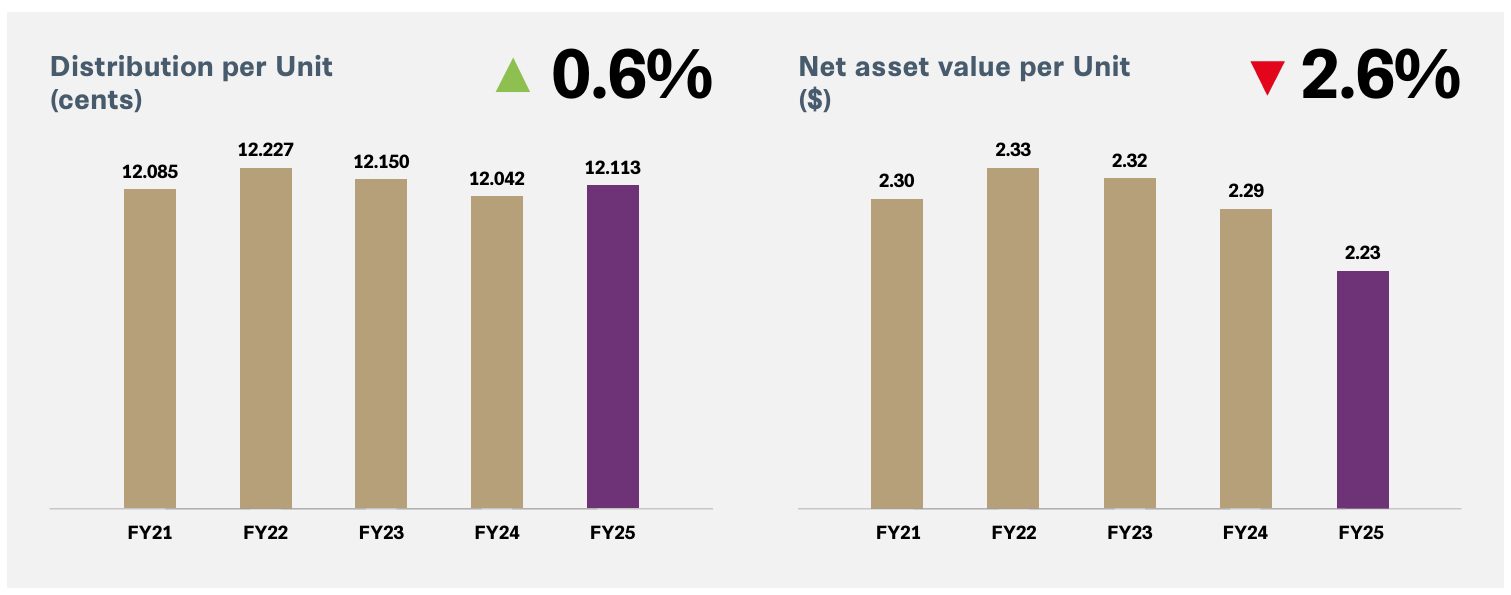
2. Distribution to unitholders for FY25 rose by 8.8% to S$233.2 million, reflecting FCT’s strong financial performance and operational resilience. Distribution per unit (DPU) increased modestly by 0.6% to 12.113 cents, supported by stable cash flow generation. Notably, this also exceeded pre-COVID FY19 DPU levels, highlighting FCT’s successful post-pandemic recovery and growth. Overall, the results demonstrate the trust’s ability to maintain consistent distributions while managing external pressures, reinforcing its commitment to delivering long-term value to unitholders.
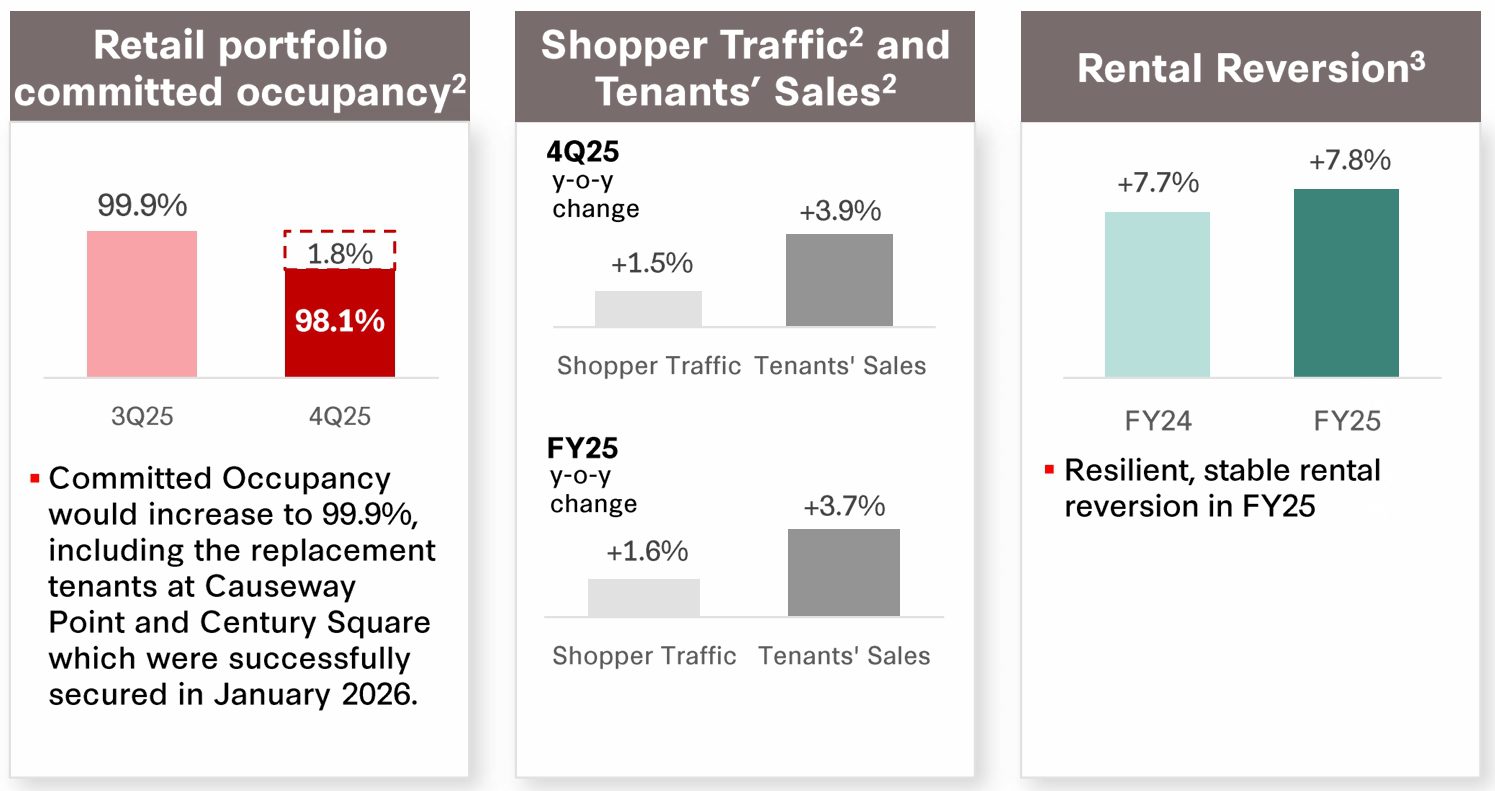
3. FCT’s retail portfolio committed occupancy improved to 99.9% as at FY25, up from 98.1% in Q4 FY24, supported by new tenant commitments at Causeway Point and Century Square. Shopper traffic also increased by 1.6% year-on-year, while tenant sales grew by 3.7%. In Q4 FY25, shopper traffic rose by 1.5% and tenant sales increased by 3.9%. Rental reversion remained strong at 7.8%, slightly higher than 7.7% in FY24, reflecting the resilience of FCT’s rental performance.
Driven by strong leasing momentum, FCT continued to strengthen its tenant mix and roll out placemaking initiatives designed to engage shoppers, increase footfall, and support tenants’ sales growth. During the year, 76 brands new to FCT—including both local and international names—were introduced across its malls. On the back of improved tenant performance, the retail portfolio maintained a healthy average occupancy cost of 16.1% in FY25, providing room for future rental growth. This was supported by a strong DPU CAGR of 3.8% from FY19 to FY25.
4. FCT’s key achievements in FY25 included strategic growth initiatives and portfolio optimisation. FY25 was a strong year for FCT, marked by significant acquisitions, portfolio enhancements, and disciplined capital management. The acquisition of Northpoint City South Wing in May 2025 was a major milestone, securing full ownership of Northpoint City and reinforcing FCT’s position as Singapore’s largest owner of suburban retail malls, with four of the nation’s top ten suburban malls in its portfolio.
This consolidation is expected to unlock value through asset enhancement initiatives, an optimised tenant mix, and improved operational efficiencies. The acquisition was supported by a successful S$421.3 million equity fundraising and the issuance of S$200 million in perpetual securities, underscoring strong investor confidence. Complementing this growth, FCT divested Yishun 10 Retail Podium in September 2025 as part of its portfolio reconstitution strategy, using the proceeds to reduce debt and strengthen its balance sheet.
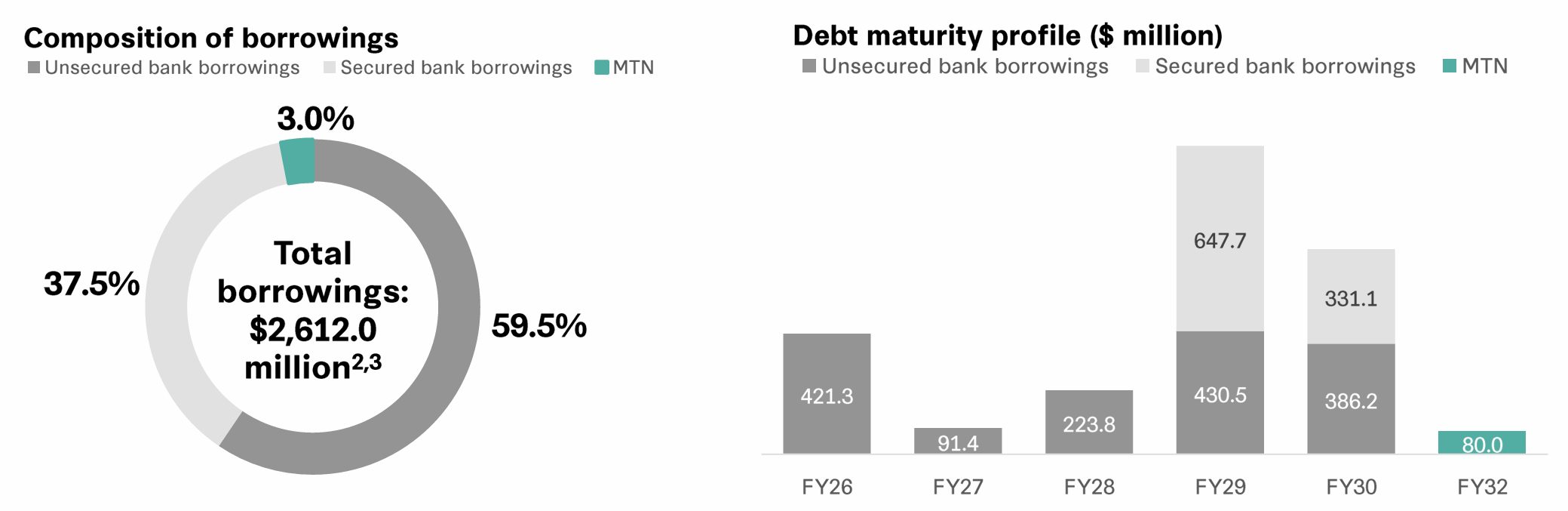
5. As of 30 September 2025, FCT maintained a solid capital structure with an aggregate leverage of 39.6%, an increase from 38.5% the previous year. The trust’s diversified funding includes unsecured and secured bank borrowings, along with medium-term notes.
Source: Frasers Centrepoint Trust
Key capital initiatives included the issuance of a 7-year S$80 million green bond in March 2025 and the raising of S$200 million in perpetual securities in July 2025. These initiatives strengthened FCT’s capital position and ensured sufficient facilities to refinance borrowings maturing in FY26. The cost of debt is expected to remain stable at 3.8% in FY25. Despite external challenges such as rising operating expenses and interest rate fluctuations, FCT’s strong liquidity position and diversified funding sources provide a solid foundation for sustainable growth and long-term value creation for unitholders.
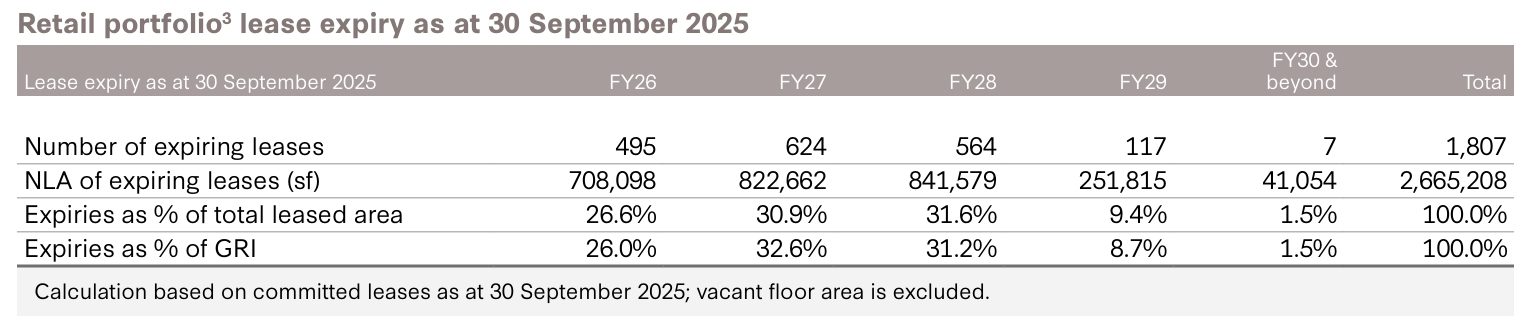
6. FCT’s retail portfolio has a well-spread lease expiry profile, which helps reduce concentration risk. Leases expiring in FY26 and FY27 account for 26.0% and 32.6% of the portfolio’s gross rental income (GRI), respectively. As at 30 September 2025, the weighted average lease expiry (WALE) by net lettable area (NLA) was 1.8 years, down from 2.1 years in FY24, while WALE by GRI was 1.8 years, compared to 2.0 years in FY24. New leases commencing in FY25 have a WALE of 2.6 years by both NLA and GRI, and these leases contribute 29.3% of the retail portfolio’s total GRI.
7. Looking ahead, CEO Richard Ng shared that FCT’s strategic focus includes tapping on the positive outlook for Singapore’s suburban retail market. This outlook is supported by limited new supply, population growth, and rising household incomes, which are expected to drive demand for retail space and sustain occupancy and rental growth. The development of new housing, particularly in the North region, as well as government support for retail spending, further strengthens FCT’s growth prospects.
At the same time, FCT is refreshing its malls to transform them into vibrant social hubs, positioning them as the “second place” for shoppers by delivering the Frasers experience. This includes creating inclusive spaces for all visitors, adopting a hospitality-inspired service approach, and unifying branding across its portfolio of malls such as Causeway Point, Northpoint City, and White Sands. These initiatives aim to enhance customer experience, deepen community engagement, and support long-term growth in both shopper traffic and tenant sales.
8. One unitholder inquired about the potential competition facing Hougang Mall, given its smaller size and the upcoming developments in the area. The CEO acknowledged the competitive landscape but emphasised that Hougang Mall’s strong market position and catchment area should be able to support the additional retail supply. He also noted that the planned asset enhancement initiative would help strengthen the mall’s competitiveness going forward.
9. A unitholder asked about structural changes in the cinema industry and how FCT plans to repurpose cinema spaces within its malls. The CEO acknowledged that cinemas are facing challenges due to the rise of streaming services, but emphasised that FCT is proactively adapting to these changes. Where necessary, the trust has begun repurposing former cinema spaces, either by introducing new tenants or enhancing the mall’s overall offerings. This strategy will continue as market trends evolve.
For instance, FCT is already exploring alternatives to replace vacated cinema spaces with operators that can drive stronger foot traffic and better align with current consumer demand. The CEO emphasised that this transition is part of FCT’s broader effort to keep its malls relevant through a more diversified tenant mix and the creative use of large-format spaces. By remaining flexible and responsive, FCT aims to ensure its suburban malls remain vibrant community destinations even as the cinema industry continues to evolve.
10. Another unitholder expressed concerns about how the completion of the Rapid Transit System (RTS) could impact FCT, given its concentration in suburban retail malls. In response, CEO Mr Richard Ng explained that while the RTS may lead to some shifts in shopper traffic—particularly for malls near the Johor Bahru–Singapore border—FCT does not anticipate any significant negative impact. In fact, the RTS is expected to increase overall traffic in the area. He reassured unitholders that FCT’s malls, especially Causeway Point, remain strategically positioned with strong catchment areas and connectivity. The CEO also addressed a separate question regarding the Electric Train Service (ETS), noting that it serves a different market altogether. He added that it is unlikely Singaporeans would take the ETS solely for the purpose of shopping.
To better understand the potential impact of cross-border connectivity, FCT has conducted studies on expected changes in traffic patterns and consumer behaviour, and is planning accordingly to ensure its malls continue to perform well. Mr Ng further shared that FCT has studied similar cross-border rail developments in other regions, such as Hong Kong and Shenzhen, to prepare for any possible shifts.
In addition, recent survey findings from FCT’s market research provided further insight into cross-border retail spending trends. While shopping in Johor Bahru remains attractive for Singaporeans seeking value and unique experiences, Singapore’s suburban retail malls continue to enjoy a competitive advantage due to their significantly larger retail stock, broader variety, and higher-quality offerings. FCT’s malls, particularly Causeway Point, benefit from this advantage by offering a wide range of international brands and quality products, along with an appealing shopping environment that emphasises safety, cleanliness, and convenience.
Survey respondents also indicated a preference for spending on F&B, beauty and healthcare, and electrical goods—categories that are well represented across FCT’s mall portfolio. While JB may continue to capture incremental spending, especially in value-driven segments such as F&B, suburban malls in Singapore remain essential in meeting the daily needs of local shoppers. With rising prices and inflation in JB, Singaporean shoppers are expected to continue favouring local malls for higher-value purchases, reinforcing FCT’s strategic focus on curating a tenant mix aligned with the evolving preferences of Singapore’s growing and diverse population.
The fifth perspective
FCT continues to reinforce its position as a leading suburban retail REIT in Singapore, supported by strong operating performance, disciplined capital management, and a well-located portfolio serving resilient suburban catchments. The 2026 AGM highlighted management’s focus on sustainable growth through asset enhancement initiatives, tenant mix optimisation, and placemaking efforts. These strategies are underpinned by favourable suburban retail fundamentals, including limited new supply and steady consumer demand.
However, investors should remain mindful of key risks, including potential shifts in cross-border spending following the completion of the Johor Bahru–Singapore RTS, evolving retail formats such as the structural decline in cinemas, and ongoing cost and interest rate pressures. Overall, FCT’s proactive strategy, strong balance sheet, and emphasis on community-centric suburban malls position it well to navigate these challenges while continuing to deliver long-term value to unitholders.
Liked our analysis of this AGM? Click here to view a complete list of AGMs we’ve attended »

