
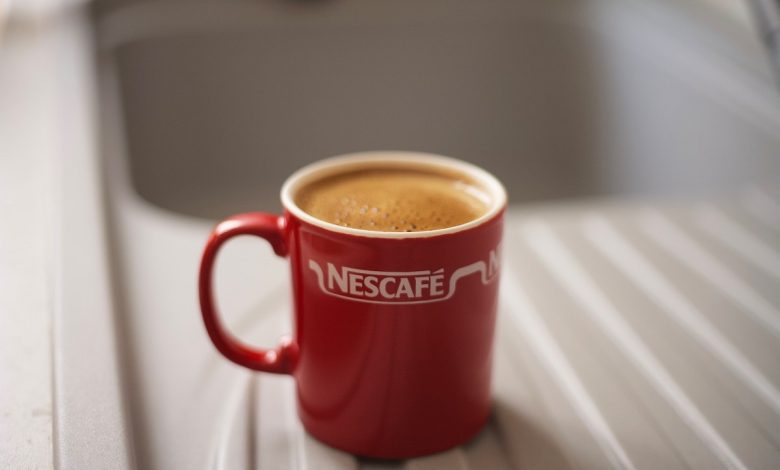
Nestlé (Malaysia) Berhad is the most expensive stock in Malaysia in terms of absolute share price. The food and beverage giant manufactures and sells consumer staples including MILO, MAGGI, and NESCAFÉ. In 2025, its share price was hammered following a wave of consumer boycotts targeting Western-affiliated brands amid Middle Eastern geopolitical conflicts. The share price has now recovered its ground.
Here are eight things I learned from the 2026 Nestlé Malaysia AGM.
1. Revenue increased 10.5% year-on-year to RM6.9 billion in 2026, driven by domestic and export sales. The manufacturing base in Malaysia continues to act as a regional production hub for the Nestlé’s global operations. Net profit increased 23.4% year-on-year to RM513.0 million over the same period. Dividend per share increased 22.9% year-on-year from RM1.79 in 2024 to RM2.20 in 2025.
2. Despite the uncertain and evolving situation in the Middle East, the board remains vigilant and confident in navigating the inflationary business environment. It will leverage its parent company’s global procurement arm to negotiate with suppliers. As part of its enterprise risk management, it has contingency plans for 85% of its raw and packaging materials by having more than one supplier or origin. As part of its inventory management, the company saw its inventory increase by 8.5% year-on-year to RM901.8 million in 2025.
3. In Q1 2026, revenue increased 6.3% year-on-year to RM1.9 billion, supported by sustained local festive demand coupled with ongoing export growth. Net profit rose 27.1% year-on-year to RM205.1 million over the same period, driven by revenue growth, prudent cost control, and ongoing operational cost savings across the business.
4. Nestlé Malaysia is the largest food and beverage player in Malaysia with MILO, MAGGI, NESCAFÉbeing market leaders in their respective categories while KitKat comes in second. To keep these core brands relevant, the company expands into adjacent products such as MILO Biscuit and MAGGI Air Fryer Marinade Pastes. Further, the company incurs minimal sugar tax in Malaysia as the added sugar levels of most of its products are below the taxable threshold.
5. Nestlé Malaysia imports coffee beans from Vietnam and Indonesia. It is also expanding the local sourcing of coffee beans from Kedah and Kelantan, as well as cocoa from East Malaysia, to diversify its supplies and reduce its foreign exchange risk. Management increased the prices of coffee- and cocoa-related products significantly in 2024, and to a lesser extent in 2025, due to high raw material prices. Commodity prices have since come down significantly, according to Aranols. Gross profit margin improved from 30.3% in 2024 to 30.4% in 2025.
6. The company is unlikely to increase prices in the next six months. It prioritises market share leadership and sales volume protection, adopting a cautious pricing stance to prevent consumer switching in a highly sensitive retail environment. According to CEO Juan Aranols, a severe “trading-down trend” among budget-conscious consumers remains largely contained due to stabilisation of inflation.
7. Capital expenditures (CapEx) between 2022 and 2024 totalled close to RM1 billion and declined toRM152.3 million in 2025. These investments included upgrades to its factories in Chembong, Batu Tiga, and Sri Muda. The company is investing RM250 million in a regional logistics hub in Port Klang, Selangor to further optimise its supply chain. The facility is expected to commence operations by Q3 2026.
8. The parent company is expected to cut 16,000 jobs, but Aranols said the impact on Malaysia operations is minimal. He also reassured shareholders that Nestlé Malaysia is not affected by the recent infant formula recall.
The fifth perspective
Nestlé Malaysia is one of the very few AGMs in Malaysia that is filled with shareholder trust and management confidence. The company builds generational loyalty from early childhood, by deploying its signature MILO trucks to distribute free drinks to primary school students, making it difficult for ordinary cost-conscious Malaysians to live without their products. Management remains confident in the business’s long-term sustainability, backed by minimal supply chain disruptions, a resilient Malaysian economy, and sustained consumer consumption supported by government initiatives.
Liked our analysis of this AGM? Click here to view a complete list of AGMs we’ve attended »

