
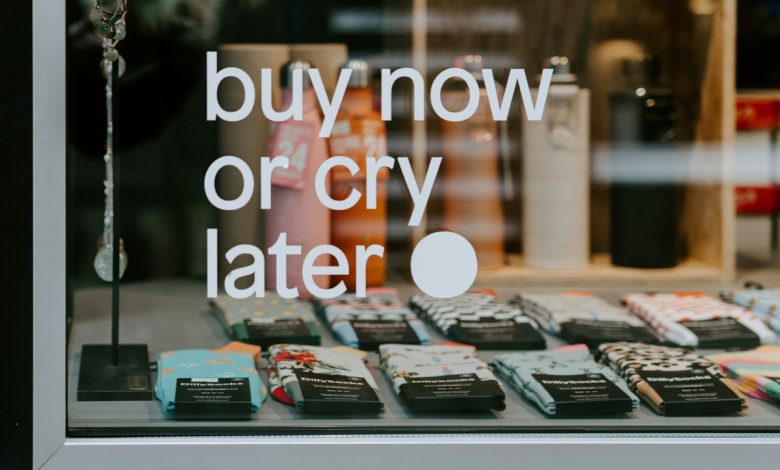
Imagine walking into your favourite store, picking up everything you want, and leaving without paying a single cent upfront. That’s the appeal of Buy Now, Pay Later (BNPL), a payment method used by millions of consumers today. It turns shopping into an instant-gratification experience, where you get what you want immediately and spread the cost over time.
It may sound convenient and harmless, but there are important pitfalls to be aware of. In this article, we’ll take a closer look at what BNPL is, the risks involved, and how to use it responsibly.
What is BNPL?
Buy Now, Pay Later is a financial service that allows consumers to purchase items immediately and split the cost into smaller, manageable instalments over time—typically without interest as long as payments are made on schedule, though some providers only offer 0% interest for up to a specific number of months. The concept is fairly simple: make your purchase today (buy now), and the BNPL provider pays the merchant upfront while you repay them in scheduled chunks, usually over 3-12 months (pay later).
The numbers tell a remarkable story of adoption. Malaysia’s BNPL market has surged to USD 2.52 billion in 2025, while Singapore’s has reached USD 1.32 billion—clear signs that this is not just a passing trend but a fundamental shift in consumer behaviour. Data from 2023 shows that nearly one in four Malaysian adults and one in three Singaporean adults already use these services, highlighting how BNPL has evolved from a niche financial product into a mainstream payment option.
Major players in Malaysia & Singapore
The BNPL landscape in both Malaysia and Singapore is dominated by several key players with strong regional presence. Atome leads the market with its extensive merchant network and support from major brands such as Zalora and Agoda, along with an aggressive expansion strategy across Southeast Asia. Shopee PayLater (SPayLater) has gained significant traction by leveraging Shopee’s massive e-commerce ecosystem, making the service seamlessly integrated and just one click away during online checkout. Grab PayLater benefits from Grab’s super-app dominance, offering BNPL services alongside ride-hailing, food delivery, and digital payments in a single platform.
Together, these providers serve different consumer segments and shopping categories, creating a competitive yet diverse market that caters to a wide range of user needs—while collectively sharing a rapidly growing BNPL pie.
Why BNPL appeals to consumers
The rapid adoption of BNPL services stems from several key factors, though the reality of usage often differs from public perception. Contrary to the assumption that BNPL fuels frivolous spending, data shows that most users rely on it for everyday necessities. In Malaysia, for example, 81% of more than 40,000 BNPL users reported using it for essentials such as baby formula and medical expenses rather than luxury items.
The main attraction lies in the ability to spread payments over time, allowing consumers to break a large purchase into smaller, manageable instalments that reduce immediate financial pressure and help with budgeting. A 1,200-dollar item may seem expensive upfront, but when divided across 12 months, it suddenly feels more affordable even though the total cost is exactly the same. Many BNPL plans also charge little to no interest when payments are made on time, making the service appear to be a convenient and cost-effective alternative to credit cards.
The approval process is also very fast and straightforward. Most BNPL providers rely on soft credit checks that offer instant approval without affecting credit scores, making these services accessible to a wider range of customers, unlike credit cards which may involve stricter assessments and even rejection. This model resonates strongly with younger, tech-savvy consumers such as Gen Z, who appreciate BNPL’s seamless integration with online shopping platforms and mobile apps, aligning perfectly with their digital-first shopping habits.
Hidden costs and risks
Despite its convenience, BNPL carries several hidden dangers that consumers often overlook:
- Late payment fees: Fixed charges typically range from RM10 to RM30, or SGD5 to SGD30. These fees can accumulate quickly if multiple instalments are overdue, especially with providers that charge per missed payment.
- Overspending temptation: The ease and convenience of BNPL can encourage impulse buying, leading consumers to purchase items they may not actually be able to afford.
- Limited consumer protection: Unlike credit cards, BNPL services often offer weaker dispute resolution and chargeback mechanisms when problems arise with merchants—an issue that is particularly notable in Malaysia. Recognising this gap, the government introduced the Consumer Credit Bill 2025 to strengthen regulation and better protect BNPL users.
- Debt accumulation across platforms: Managing multiple instalment plans across various BNPL providers can be confusing, increasing the risk of missed payments and financial overextension.
- Illusion of being interest-free: Although BNPL is marketed as “interest-free,” missed payments can incur penalty fees that effectively act as high-cost borrowing. Some providers, such as SPayLater, also charge interest if payments are split over longer periods than the standard interest-free duration.
‘Pay Now, Buy Later’ in China
Interestingly, while researching BNPL, I noticed that China’s payment landscape operates on a fundamentally opposite principle compared to Southeast Asia’s BNPL trend. While Malaysian and Singaporean consumers embrace the idea of “buy now, pay later,” many Chinese consumers follow a “pay now, buy later” approach through widespread prepaid card systems.
In 2023, over 1.5 billion prepaid cards were issued in China, worth a total of 740 billion yuan. Customers pay upfront for future transactions—such as meals, salon visits, or services—in exchange for bonus credits to use at the store. However, this model carries its own risk: if the business goes bankrupt, consumers may lose the value stored in those prepaid cards.
Smart BNPL usage tips
To use BNPL responsibly and avoid financial pitfalls, consumers could consider the following tips:
- Avoid essentials: Try not to rely on BNPL for necessities such as groceries, utilities, rent, or medical expenses. Reserve it for discretionary purchases only.
- Read the fine print: Always carefully review terms and conditions, paying special attention to late fees, payment schedules, and consequences of missed payments before making a purchase.
- Only buy things that you can afford: Only purchase items you can afford to pay for in full immediately, treat BNPL as a budgeting tool, not a way to afford more expensive items.
- Track payment schedules: Use calendar reminders, budgeting apps, or, if possible, spreadsheets, to monitor all upcoming BNPL payments across different providers.
- Limit platform usage: Avoid using multiple BNPL services simultaneously to prevent losing track of payment obligations and overextending yourself financially.
The fifth pespective
The BNPL market in Malaysia and Singapore shows no signs of slowing down. Malaysia’s market is projected to reach USD 4.2 billion by 2030, supported by strong growth momentum. This expansion is accompanied by increased regulatory attention, including measures such as the Consumer Credit Bill 2025. Singapore, meanwhile, continues to maintain a well-established regulatory framework that balances fintech innovation with consumer protection.
As the industry matures, we can expect more comprehensive regulations, stronger consumer safeguards, and greater transparency in fee structures. BNPL will likely remain a useful financial tool when used responsibly, but consumers must stay informed and disciplined to avoid the pitfalls associated with easy credit.

