
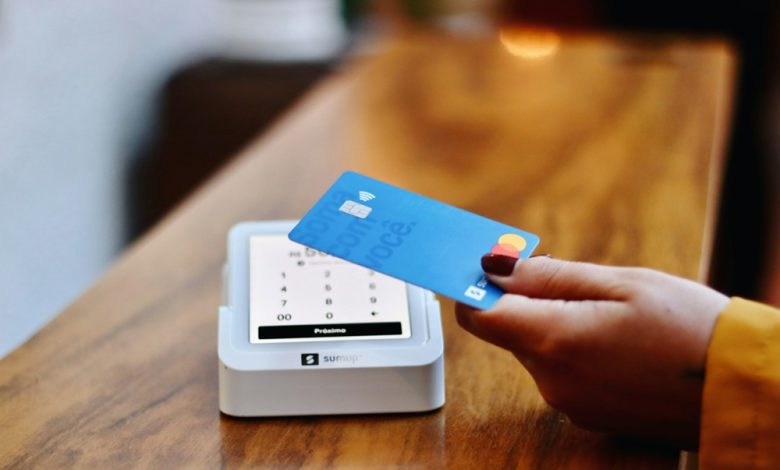
A credit card is a powerful financial tool: it can elevate your lifestyle with rewards and convenience, or quietly trap you in a cycle of debt if misused. It is, in many ways, a double-edged sword. For many, what begins as a convenient payment method can quickly spiral into a mounting burden of interest, fees, and financial stress if left unchecked. In this article, we explore the rise in credit card rollover debt, the factors driving it, and, most importantly, how we can break the cycle before it’s too late.
Credit card debt rollover trends
Typically, people pay their credit card balances in full each month to avoid incurring interest. However, debt rollover occurs when users carry unpaid balances into the following month, triggering high interest charges. This trend has worsened in recent times, as more consumers increasingly rely on credit.
- United States: Credit card balances surged to US$1.21 trillion (Q4 2024), with delinquency rate (percentage of overdue accounts) at about 3.08%. According to Bankrate, 48% of credit cardholders carry debt from month to month.
- Singapore: Credit card rollover balances hit a record S$7.9 billion in Q3 2024 with charge-off rates (percentage of written-off debt) of 5.3%.
- Malaysia: Outstanding balances of credit cards reached RM35.89 billion. From 2018 to 2021, 8.58% of total bankruptcy cases in Malaysia were linked to credit card debt.
Why is it rising?
Here are the potential reasons behind growing credit card debt rollovers:
- High interest rates – If you are not paying the balance in full, the bank will charge a crazy high annual percentage rate (APR) on the outstanding balance, which creates a snowball effect, making it harder to clear off the debt. Average APRs vary by country: around 24% in the U.S., 25-28% in Singapore, and 15-18% in Malaysia.
- Easy access to credit – Some banks may aggressively market their credit cards and have more lenient approval processes, which can lead to misuse by individuals who lack proper knowledge about credit management. Making new cards and credit limit increases readily available can tempt people to spend more than they can afford.
- Minimum payment trap – The minimum payment option can create a ‘debt treadmill’ where you only pay a small portion of the balance, allowing the remaining balance to accrue at the crazy high APR and snowball over time.
- Buy now, pay later impact – The growing popularity of buy now, pay later, or 0% interest instalments may allure people to use their credit cards to make smaller payments on these schemes, leading to a higher overall balance.
- Lifestyle inflation – In order to keep up with a desired lifestyle, for example, buying a new iPhone whenever the new one comes out can encourage people to use credit cards for non-essential purchases and contribute to higher debt levels.
Pros & cons of credit card usage
Like any financial tool, credit cards are neither inherently good nor bad. The key lies in how they are used. When managed wisely, they can be powerful tools, but when misused, they can quickly lead to overwhelming debt.
Advantages:
- Convenience and rewards: Some credit cards feature cashback, points, or airline miles, which provide financial benefits.
- Credit score building: Timely payments help to build and improve creditworthiness for future loans.
- Emergency cash flow: Credit cards can act as a short-term financial buffer in emergencies.
Disadvantages:
- High-interest costs: Carrying balances means paying substantial interest over time if you are not paying in full.
- Debt snowball effect: Small rollover balances can quickly become significant financial burdens with a high APR.
- Psychological stress: The mounting debt can cause financial anxiety in cardholders, also
Breaking the cycle
If you’re struggling with spiralling credit card debt, overcoming it requires strategic planning and consistent discipline. Here are some methods that can help you break free from the cycle:
- Balance transfers: Some banks offer 0% balance transfer plans, which allow borrowers to shift their debt to an interest-free period for 6-12 months. This can help consolidate payments and reduce interest accumulation.
- Automate payments: Setting up an automatic payment for more than the minimum due ensures steady debt reduction and prevents missed payments, which can lead to penalties and higher interest costs. This also eliminates the possibility of forgetting to pay the outstanding balance.
- Reduce credit card usage: To avoid further debt accumulation, limit credit card use entirely or use only for essential expenses. If you struggle to control your impulse spending on credit cards, consider switching to cash or debit cards.
- Seek professional help: f your debt becomes unmanageable, consider reaching out to organisations like Credit Counselling Singapore or AKPK in Malaysia. These agencies offer professional debt counselling and structured repayment plans. Getting support from such bodies can help you regain control of your finances and avoid falling into future debt traps
The fifth perspective
The rise in credit card debt rollover is a warning sign of growing financial mismanagement among some. While credit cards offer financial flexibility, they can easily become debt traps if used irresponsibly. The good news is that individuals can regain control by practising disciplined spending and consistently paying off their balances in full. With responsible financial habits, credit cards can remain useful tools rather than gateways to long-term debt.

