
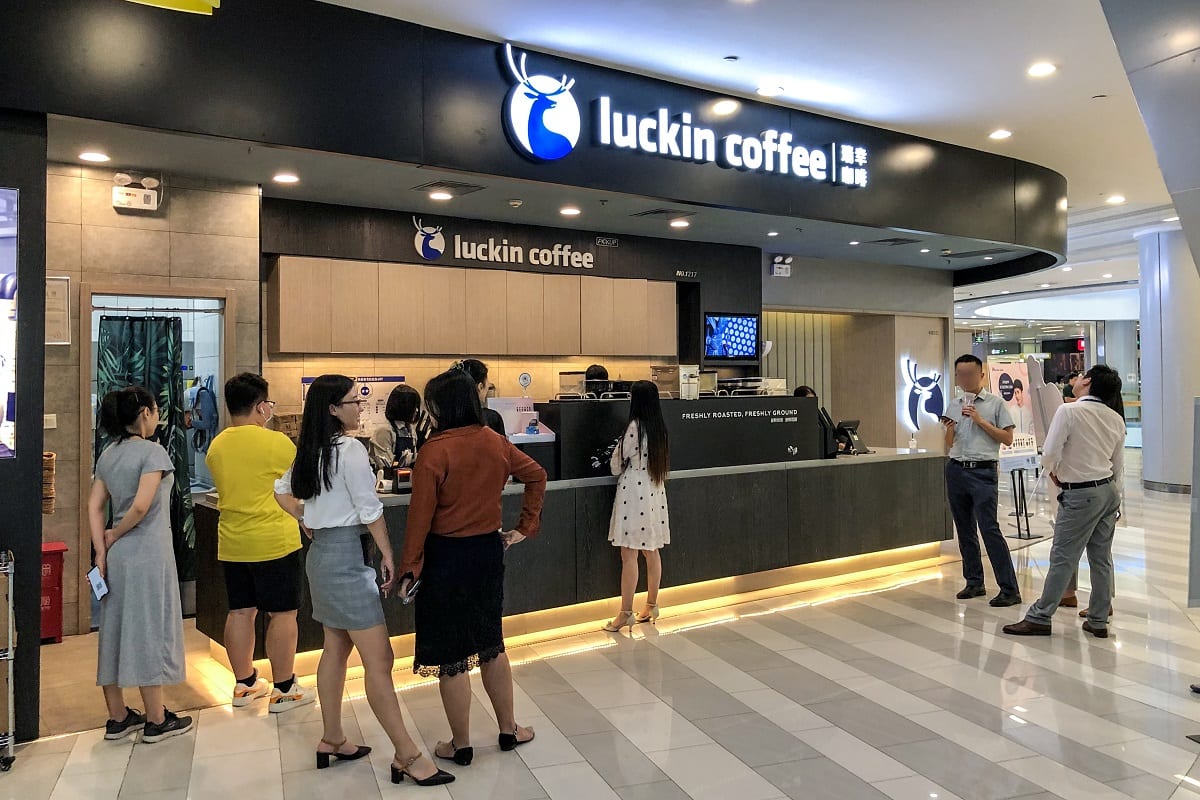
In 2019, Luckin Coffee burst onto the international stage with its listing on the Nasdaq, swiftly earning the moniker ‘the Starbucks of China’. The company was overhyped, and its rapid growth and aggressive expansion captivated investors. In a short period, Luckin Coffee’s growth seemed poised to surpass Starbucks in China.
However, this euphoria was short-lived. Luckin soon became embroiled in a financial scandal after anonymous reports alleged that the company had intentionally faked more than US$300 million in retail sales by using related parties to create false sales transactions through three separate purchasing schemes. This scandal led to its delisting and brought Luckin to the brink of bankruptcy, casting a long shadow over its future.
Despite these setbacks, Luckin Coffee has managed a remarkable turnaround in a relatively short period. The company has now begun expanding to countries such as Singapore and Malaysia. Today, Luckin Coffee is a case study in resilience, demonstrating how a company can rebound from near collapse to reclaim its position in the market.
This article will explore the key strategies and actions underpinning Luckin Coffee’s revival. From strategic planning and technological innovation to expansion into new markets and a renewed focus on corporate governance, we will delve into the elements that have enabled Luckin Coffee to survive and thrive in a competitive landscape.
Improved corporate governance
One of the pivotal moves for Luckin Coffee was the introduction of new leadership and management with strong industry experience and a proven track record in corporate governance. The company aimed to steer its operations with greater integrity and strategic direction by bringing in seasoned professionals. Additionally, Luckin Coffee brought one of its controlling shareholders, Centurium Capital, onto its board of directors. Centurium Capital is a well-regarded investment company known for its stringent compliance standards, adding additional oversight and credibility to Luckin’s governance structure.
Transparency became a cornerstone of Luckin Coffee’s repositioning efforts. The company made significant strides in rebuilding trust with its customers, investors, and stakeholders by proactively addressing concerns and being forthright about past missteps. For instance, Luckin Coffee embarked on an extensive communication campaign to keep all parties informed about the corrective measures being taken and the progress achieved. Through transparent disclosures and open dialogue, the brand restored faith in its operations. Notably, even the firm allegedly behind the anonymous report exposing Luckin’s fraud in 2020 has reportedly bet on Luckin’s comeback, signalling renewed confidence in the company’s future.
Refocusing on core business
After addressing structural and management issues, Luckin Coffee refocused on its core business through proper strategic planning. Since its inception, Luckin Coffee had a sound business model emphasizing speed and convenience. The company leverages technology to enable a grab-and-go concept, allowing customers to easily place orders through their app and pick up their drinks without needing traditional sit-in cafes. This approach resonated well with the fast-paced lifestyles of many consumers. By streamlining operations, Luckin not only reduced operational costs but also catered to the growing consumer preference for quick service, enabling them to offer coffee at significantly lower prices compared to premium coffee places like Starbucks.
Moreover, Luckin further refined its operations by expanding product offerings and utilizing technology to enhance the customer experience through innovative new products. For instance, they introduced unique offerings such as Moutai-infused coffee drinks and coconut milk coffee to attract new customers who might be new to drinking coffee. This diversification helped in broadening their customer base and keeping the brand fresh and appealing.
Additionally, the company strategically shifted its focus to capitalize on the growing demand for coffee in China and other emerging markets. Instead of competing head-on with Starbucks in first-tier cities, Luckin expanded into lower-tier cities in China and other emerging countries with a growing population of younger consumers and increasing demand for coffee. This expansion into less saturated markets allowed Luckin to tap into new growth opportunities and build a robust presence in regions with high potential.
Signs of improvement
As Luckin Coffee embarked on its journey to reinvent itself, several key performance indicators suggest a turnaround is well underway. In Q4 2023, Luckin achieved US$995 million in revenue, surpassing Starbucks China’s US$735 million in the same period. By Q1 2024, Luckin had expanded to over 18,500 stores in China, significantly outpacing Starbucks and establishing a strong presence across lower-tier cities.
To support its expansion, Luckin recently opened a new US$120 million coffee roasting plant in Kunshan with a 30,000-ton annual capacity. Additionally, the company has begun its international growth by marking its presence in Singapore and planning expansions into Malaysia, the Middle East, North Africa, and India.
Furthermore, perceptions and loyalty towards Luckin Coffee appear to be improving. Many surveys and social media posts show positive sentiment trends and increased customer engagement on various platforms. Favourable reviews indicate that Luckin Coffee has succeeded in rebuilding and winning back consumer trust.
The fifth perspective
Studying Luckin’s journey reveals that even a company on the brink of bankruptcy can achieve a successful turnaround with a solid business model, strategic decision-making, and robust corporate governance.
Luckin’s emphasis on speed, convenience, and leveraging technology to meet modern consumer demands has been pivotal to its resurgence. Its ability to adapt and innovate, coupled with strategic expansion into underserved markets, highlights the significance of aligning business operations with market needs.
Moreover, effective corporate governance has played a crucial role. Luckin’s renewed focus on transparency, accountability, and sound management practices has restored investor confidence and driven sustainable growth.
In essence, Luckin Coffee’s turnaround story underscores that with the proper foundation and strategic foresight, even companies facing significant challenges can recover and thrive. This narrative serves as a powerful reminder that resilience, adaptability, and strong governance are key pillars for long-term success in the ever-evolving business landscape.

